Fitment clarity
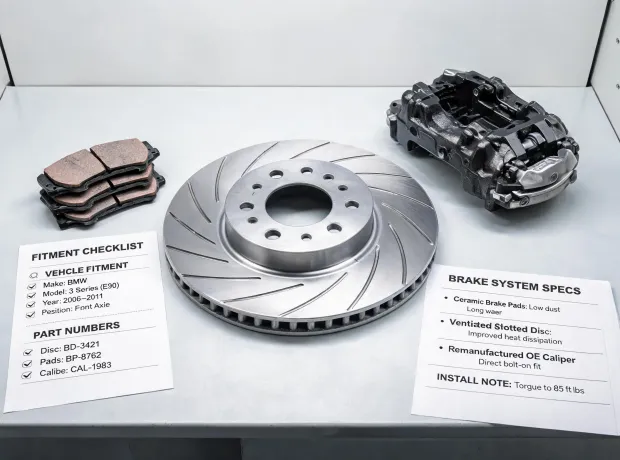
Application details are treated as the starting point. Vehicle data, OE references and install notes are kept close to the product conversation so a buying desk can ask better questions before committing stock.
About Wagner
Wagner is presented here for teams that want a calmer route through Brake System Components. The emphasis is not on theatrical claims. It is on helping people compare brake pads, rotors and related parts with the application detail, install context and support path they need before a buying decision becomes urgent.
How the page is organized
Brake sourcing can become messy quickly. A buyer may arrive with a vehicle description, an old rotor number, a pad family name, a photo from a service bay or a customer complaint about noise. Wagner's site structure is built to reduce that mess into a repeatable path: identify the vehicle, compare the brake family, confirm the fitment notes, and ask for support when the application is not obvious.
That friendly advisor posture matters because brake parts are a practical category. A distributor wants fewer returns. A workshop wants the right fit the first time. A dealer service department wants records that are easy to explain. A wholesale buyer wants a clear quote and a realistic replacement path when a verified mis-fit happens. Wagner's copy, catalog entry points and support forms are written around those everyday needs.
Clear specs and install notes make Wagner Brake System Components easier to order, easier to explain and easier to fit.
Application details are treated as the starting point. Vehicle data, OE references and install notes are kept close to the product conversation so a buying desk can ask better questions before committing stock.
Hassle-free returns and replacement on verified mis-fits are framed as part of the support promise, but the deeper goal is to prevent avoidable errors through clearer documentation.
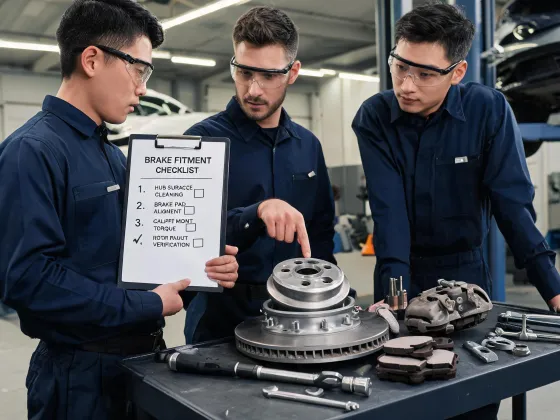
Workshop and distributor language is kept practical: torque specs, fit notes, quote preparation, cross-reference checks and response channels that help teams keep a job moving.
Who this supports
Regional parts distributors use Wagner pages to keep customer inquiries structured. Independent repair workshops use them to check the installation details that affect the job. Dealer service departments can compare brake family language before handing a request to purchasing. Wholesale replacement-parts buyers can collect the information that matters for pricing, stock and delivery conversations.
Specialist performance garages and OEM or OES sourcing teams can also use the same route when brake components need a more specific application review. The website does not force every visitor into a single sales message. It gives each team a practical way to describe the vehicle, the brake system requirement and the buying decision they are trying to make.
Need the next fitment step?